Orthodontics has changed a lot by 2026.
Braces with metal wires and all those tightening visits feel old now. Instead clear aligners use AI to make everything faster and more personal. I think patients in places like Chandkheda get surprised seeing a computer model of their smile before anything starts.
At clinics such as Trusmile Dental people keep asking why these aligners fit so much better than what came before.
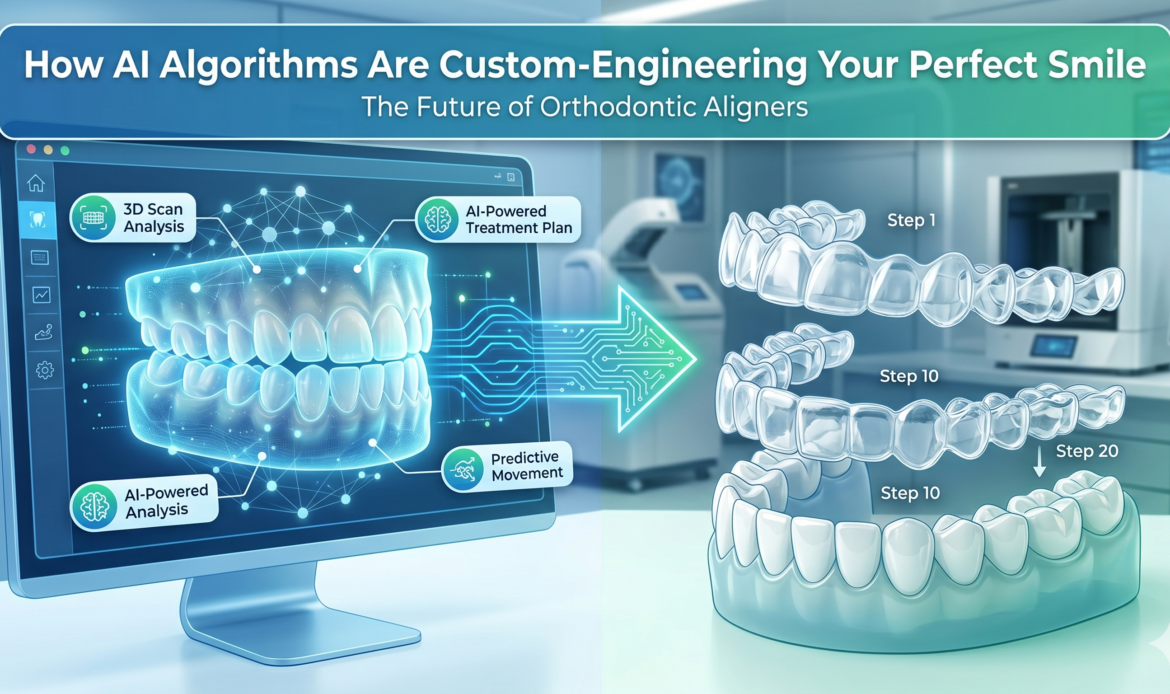
It starts with scanning the mouth digitally.
No more of that gross plaster stuff. The scanner picks up tons of points to build a 3D picture of teeth gums and how the jaw lines up.
Then AI steps in and looks at everything.
Like spacing between teeth, crowding, angles, how the jaw moves, bite strength and even if the face is balanced. It figures out a plan step by step. Not just guessing where teeth go but simulating what might happen each time. Orthodontists can cut down on fixes later because of this.
Aligners are more than plastic now. They act like these engineered systems for moving teeth right. Before it was all manual math and what the doctor knew from years. Expertise matters still but AI spots better ways to move teeth and warns about problems early.
Customization is a big part too.
Aligners get shaped for someone’s face, smile, curve, how hard they bite and daily habits. Attachments and stages get planned with machine learning help. It seems like that makes treatment smoother.
Busy folks near New CG Road like the remote checks via phone scans.
Fewer trips to the clinic which is handy. And looks wise aligners stay hidden so no one sees during work or events like weddings or dances. That’s probably why they caught on so quickly.
Of course, AI is a tool — not a replacement for orthodontists. Successful treatment still depends on proper diagnosis, case selection, patient compliance, and professional supervision.
But one thing is very clear in 2026:
orthodontics is becoming more data-driven, personalized, and technologically advanced than ever before.
As they say in Gujarati, “Samay sathe technology pan smart thati jay che.”
Today’s smile corrections are no longer just adjusted by hand — they’re intelligently designed by algorithms working alongside clinical expertise.