Bleeding gums while brushing? It might not be just a dental issue.
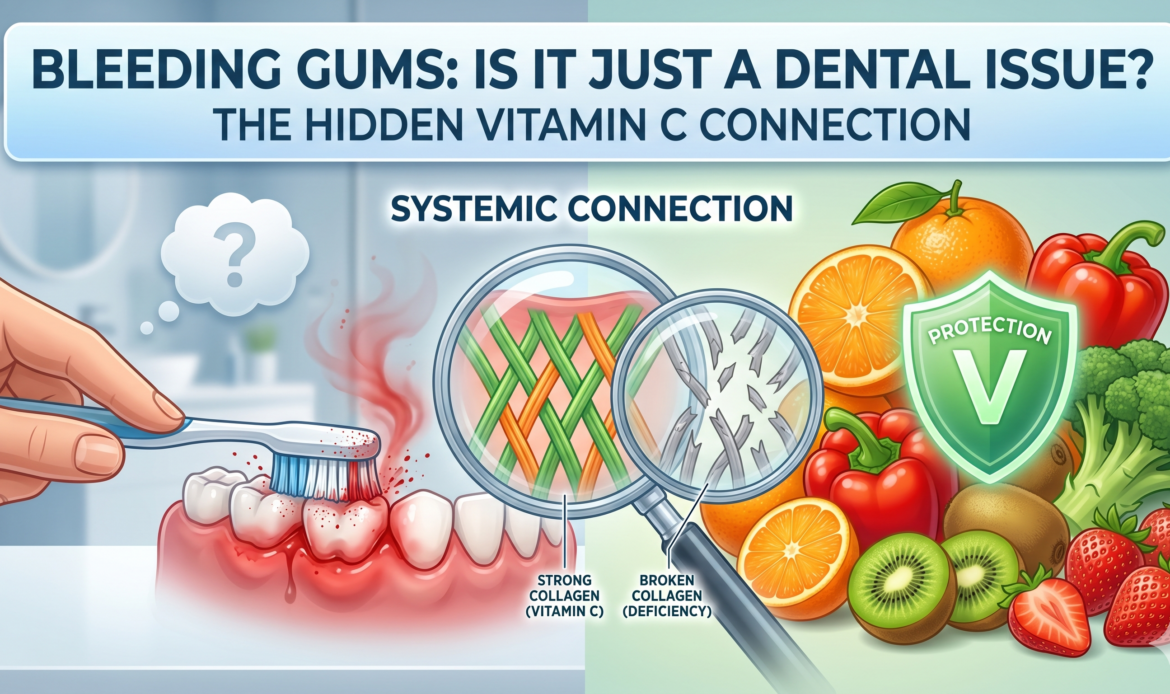
Most people in Chandkheda ignore a little pink in the sink, thinking, “It’s fine; I must be brushing too hard.” But here’s something surprising: your gum health and heart health are more connected than you might realize.
At Trusmile Dental Clinic, this is one of the most overlooked discussions with patients.
What’s the hidden link?
Gum disease, known medically as Periodontitis, is not just about teeth. It’s a chronic infection and inflammation of the gums.
Now here’s where it gets serious.
The same inflammation can enter the bloodstream and contribute to conditions like Cardiovascular Disease.
In simple terms, unhealthy gums can quietly increase the risk of heart problems over time.
How does this happen?
* Bacteria from infected gums can enter the blood.
* This can trigger inflammation in blood vessels.
* Over time, it may contribute to plaque buildup in arteries.
Researchers have been studying the connection between gum disease and heart conditions for years.
Signs your gums need attention
Don’t ignore these:
* Bleeding while brushing or flossing
* Swollen or red gums
* Bad breath that doesn’t go away
* Loose teeth in advanced cases
If this sounds familiar, it’s not normal. It’s your body giving an early warning.
Why this matters in daily life
Think about it: people focus on cholesterol, exercise, and diet, but gums are completely ignored.
Yet something as simple as an untreated gum infection can silently affect overall health.
At clinics around New CG Road and Sneh Plaza Road, including Trusmile, more patients are becoming aware of this connection and taking action early.
What can you do?
* Brush twice daily; proper technique matters.
* Don’t skip flossing.
* Get regular dental checkups.
* Treat gum issues early before they progress.
Small steps can lead to a big impact.
—
Final thought
Oral health is not separate from general health; it’s part of it.
So next time you see bleeding gums, don’t brush it off.
Sometimes, what starts in your mouth can reach your heart.
Patients coming from Chandkheda, New CG Road, and Sneh Plaza Road usually have the same experience after undergoing treatment at our clinic:
“Doctor, pain toh bilkul nahi hua.”
So, how do we do it?
- Correct Diagnosis Before Treatment
Pain-free dentistry begins **before** the procedure. A proper clinical examination and digital X-rays enable us to identify the problem. Once we know the cause, the procedure becomes smoother and more predictable—no surprises, no pain.
- Gentle and Adequate Anesthesia
Injections are feared more than treatment by many patients. We practice anesthesia techniques that make the injection painless. After the area is properly anesthetized, procedures such as fillings, root canal treatments, or extractions can be performed painlessly.
- Modern Equipment & Techniques
Modern dentistry has undergone many changes. Modern equipment minimizes pressure, vibration, and treatment time. Short treatment procedures mean less pain and faster recovery.
- Step-by-Step
You feel less afraid when you understand what’s going on. We take the time to explain what we’re doing, step by step, and we never hurry. As we say, દર્દ વગરની સારવાર શક્ય છે.
- Emphasis on Patient Comfort
Proper positioning of comfortable chairs, taking breaks during the treatment process, and following instructions on post-procedure care are all important in ensuring that pain is kept to a minimum even after you leave the clinic.
Why Pain-Free Dentistry Matters
When dental work is comfortable, patients do not procrastinate. Early treatment prevents larger problems, preserves natural teeth, and prevents emergencies. At Trusmile Dental Clinic, pain-free dentistry is not something we promise. It’s our routine practice.